Stroke
Overview
Astroke, or brain attack, happens when blood flow to your brain is stopped. It is an emergency situation.
The brain needs a constant supply of oxygen and nutrients in order to work well. If blood supply is stopped even for a short time, this can cause problems. Brain cells begin to die after just a few minutes without blood or oxygen.
When brain cells die, brain function is lost. You may not be able to do things that are controlled by that part of the brain. For example, a stroke may affect your ability to:
- Move
- Speak
- Eat
- Think and remember
- Control your bowel and bladder
- Control your emotions
- Control other vital body functions
A stroke can happen to anyone at any time.
What causes a stroke?
A stroke is caused when blood flow to your brain is stopped or disrupted.
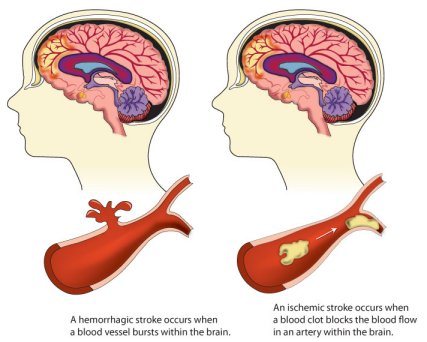
There are 2 kinds of stroke: ischemic and hemorrhagic.
- Ischemic stroke. This is the most common type of stroke. It happens when a major blood vessel in the brain is blocked. It may be blocked by a blood clot. Or it may be blocked by a buildup of fatty deposit and cholesterol. This buildup is called plaque.
- Hemorrhagic stroke. This occurs when a blood vessel in your brain bursts, spilling blood into nearby tissues. With a hemorrhagic stroke, pressure builds up in the nearby brain tissue. This causes even more damage and irritation.
Who is at risk for a stroke?
Anyone can have a stroke at any age. But your chance of having a stroke increases if you have certain risk factors. Some risk factors for stroke can be changed or managed, while others can’t.
Risk factors for stroke that can be changed, treated, or medically managed:
- High blood pressure. Blood pressure of 140/90 or higher can damage blood vessels (arteries) that supply blood to the brain.
- Heart disease. Heart disease is the second most important risk factor for stroke, and the major cause of death among survivors of stroke. Heart disease and stroke have many of the same risk factors.
- Diabetes. People with diabetes are at greater risk for a stroke than someone without diabetes.
- Smoking. Smoking almost doubles your risk for an ischemic stroke.
- Birth control pills (oral contraceptives)
- History of TIAs (transient ischemic attacks). TIAs are often called mini-strokes. They have the same symptoms as stroke, but the symptoms don’t last. If you have had one or more TIAs, you are almost 10 times more likely to have a stroke than someone of the same age and sex who has not had a TIA.
- High red blood cell count. A significant increase in the number of red blood cells thickens the blood and makes clots more likely. This raises the risk for stroke.
- High blood cholesterol and lipids. High cholesterol levels can contribute to thickening or hardening of the arteries (atherosclerosis) caused by a buildup of plaque. Plaque is deposits of fatty substances, cholesterol, and calcium. Plaque buildup on the inside of the artery walls can decrease the amount of blood flow to the brain. A stroke occurs if the blood supply is cut off to the brain.
- Lack of exercise
- Obesity
- Excessive alcohol use. More than 2 drinks per day raises your blood pressure. Binge drinking can lead to stroke.
- Illegal drugs. IV (intravenous) drug abuse carries a high risk of stroke from blood clots (cerebral embolisms). Cocaine and other drugs have been closely linked to strokes, heart attacks, and many other cardiovascular problems.
- Abnormal heart rhythm. Some types of heart disease can raise your risk for stroke. Having an irregular heartbeat (atrial fibrillation) is the most powerful and treatable heart risk factor of stroke.
- Cardiac structural abnormalities. Damaged heart valves (valvular heart disease) can cause long-term (chronic) heart damage. Over time, this can raise your risk for stroke.
Risk factors for stroke that can’t be changed:
- Older age. For each decade of life after age 55, your chance of having a stroke more than doubles.
- Race. African Americans have a much higher risk for death and disability from a stroke than whites. This is partly because the African-American population has a greater incidence of high blood pressure.
- Gender. Stroke occurs more often in men, but more women than men die from stroke.
- History of prior stroke. You are at higher risk for having a second stroke after you have already had a stroke.
- Heredity or genetics. The chance of stroke is greater in people with a family history of stroke.
Other risk factors include:
- Where you live. Strokes are more common among people living in the southeastern U.S. than in other areas. This may be because of regional differences in lifestyle, race, smoking habits, and diet.
- Temperature, season, and climate. Stroke deaths occur more often during extreme temperatures.
- Social and economic factors. There is some evidence that strokes are more common among low-income people.
आघात
अवलोकन
एस्ट्रोक या ब्रेन अटैक तब होता है जब आपके मस्तिष्क में रक्त का प्रवाह रुक जाता है। यह एक आपात स्थिति है।
मस्तिष्क को अच्छी तरह से काम करने के लिए ऑक्सीजन और पोषक तत्वों की निरंतर आपूर्ति की आवश्यकता होती है। अगर थोड़े समय के लिए भी रक्त की आपूर्ति बंद कर दी जाए तो यह समस्या पैदा कर सकता है। रक्त या ऑक्सीजन के बिना कुछ ही मिनटों के बाद मस्तिष्क की कोशिकाएं मरने लगती हैं।
जब मस्तिष्क की कोशिकाएं मर जाती हैं, तो मस्तिष्क का कार्य नष्ट हो जाता है। हो सकता है कि आप उन चीजों को करने में सक्षम न हों जो मस्तिष्क के उस हिस्से द्वारा नियंत्रित होती हैं। उदाहरण के लिए, एक स्ट्रोक आपकी क्षमता को प्रभावित कर सकता है:
• कदम
• बोलना
• खाना
• सोचें और याद रखें
• अपने आंत्र और मूत्राशय को नियंत्रित करें
• अपनी भावनाएं नियंत्रित करें
• शरीर के अन्य महत्वपूर्ण कार्यों को नियंत्रित करें
स्ट्रोक किसी को भी कभी भी हो सकता है।
क्या स्ट्रोक का कारण बनता है?
स्ट्रोक तब होता है जब आपके मस्तिष्क में रक्त का प्रवाह रुक जाता है या बाधित हो जाता है।
स्ट्रोक 2 प्रकार के होते हैं: इस्केमिक और रक्तस्रावी।
• इस्कीमिक आघात। यह स्ट्रोक का सबसे आम प्रकार है। यह तब होता है जब मस्तिष्क में एक प्रमुख रक्त वाहिका अवरुद्ध हो जाती है। यह रक्त के थक्के से अवरुद्ध हो सकता है। या यह फैटी जमा और कोलेस्ट्रॉल के निर्माण से अवरुद्ध हो सकता है। इस बिल्डअप को प्लाक कहा जाता है।
• रक्तस्रावी स्ट्रोक। यह तब होता है जब आपके मस्तिष्क में एक रक्त वाहिका फट जाती है, जिससे रक्त आस-पास के ऊतकों में फैल जाता है। रक्तस्रावी स्ट्रोक के साथ, मस्तिष्क के आस-पास के ऊतकों में दबाव बनता है। इससे और भी ज्यादा नुकसान और जलन होती है।
स्ट्रोक के लिए जोखिम में कौन है?
किसी को भी किसी भी उम्र में स्ट्रोक हो सकता है। लेकिन अगर आपके पास कुछ जोखिम वाले कारक हैं तो स्ट्रोक होने की संभावना बढ़ जाती है। स्ट्रोक के कुछ जोखिम कारकों को बदला या प्रबंधित किया जा सकता है, जबकि अन्य नहीं कर सकते।
स्ट्रोक के जोखिम कारक जिन्हें बदला जा सकता है, इलाज किया जा सकता है या चिकित्सकीय रूप से प्रबंधित किया जा सकता है:
• उच्च रक्त चाप। 140/90 या उससे अधिक का रक्तचाप मस्तिष्क को रक्त की आपूर्ति करने वाली रक्त वाहिकाओं (धमनियों) को नुकसान पहुंचा सकता है।
• दिल की बीमारी। हृदय रोग स्ट्रोक के लिए दूसरा सबसे महत्वपूर्ण जोखिम कारक है, और स्ट्रोक से बचे लोगों में मृत्यु का प्रमुख कारण है। हृदय रोग और स्ट्रोक के कई समान जोखिम कारक हैं।
• मधुमेह। मधुमेह वाले लोगों को मधुमेह के बिना किसी की तुलना में स्ट्रोक के लिए अधिक जोखिम होता है।
• धूम्रपान। धूम्रपान इस्केमिक स्ट्रोक के लिए आपके जोखिम को लगभग दोगुना कर देता है।
• जन्म नियंत्रण की गोलियाँ (मौखिक गर्भनिरोधक)
• टीआईए का इतिहास (क्षणिक इस्केमिक हमले)। टीआईए को अक्सर मिनी स्ट्रोक कहा जाता है। उनके पास स्ट्रोक के समान लक्षण हैं, लेकिन लक्षण लंबे समय तक नहीं रहते हैं। यदि आपके पास एक या अधिक टीआईए हैं, तो आपको उसी उम्र और लिंग के किसी व्यक्ति की तुलना में स्ट्रोक होने की संभावना लगभग 10 गुना अधिक है, जिसे टीआईए नहीं हुआ है।
• उच्च लाल रक्त कोशिका गिनती। लाल रक्त कोशिकाओं की संख्या में उल्लेखनीय वृद्धि से रक्त गाढ़ा हो जाता है और थक्के बनने की संभावना बढ़ जाती है। इससे स्ट्रोक का खतरा बढ़ जाता है।
• उच्च रक्त कोलेस्ट्रॉल और लिपिड। उच्च कोलेस्ट्रॉल का स्तर पट्टिका के निर्माण के कारण धमनियों (एथेरोस्क्लेरोसिस) को मोटा या सख्त करने में योगदान कर सकता है। पट्टिका वसायुक्त पदार्थों, कोलेस्ट्रॉल और कैल्शियम का जमा है। धमनी की दीवारों के अंदर पट्टिका का निर्माण मस्तिष्क में रक्त के प्रवाह की मात्रा को कम कर सकता है। स्ट्रोक तब होता है जब मस्तिष्क को रक्त की आपूर्ति बंद कर दी जाती है।
• व्यायाम की कमी
• मोटापा
• अत्यधिक शराब का सेवन। प्रतिदिन 2 से अधिक पेय आपके रक्तचाप को बढ़ाते हैं। अत्यधिक शराब पीने से स्ट्रोक हो सकता है।
• अवैध दवा। IV (अंतःशिरा) नशीली दवाओं के दुरुपयोग से रक्त के थक्कों (सेरेब्रल एम्बोलिज्म) से स्ट्रोक का एक उच्च जोखिम होता है। कोकीन और अन्य दवाएं स्ट्रोक, दिल के दौरे और कई अन्य हृदय संबंधी समस्याओं से निकटता से जुड़ी हुई हैं।
• असामान्य हृदय ताल। कुछ प्रकार के हृदय रोग स्ट्रोक के लिए आपके जोखिम को बढ़ा सकते हैं। दिल की धड़कन का अनियमित होना (अलिंद फिब्रिलेशन) स्ट्रोक का सबसे शक्तिशाली और उपचार योग्य हृदय जोखिम कारक है।
• हृदय की संरचनात्मक असामान्यताएं। क्षतिग्रस्त हृदय वाल्व (वाल्वुलर हृदय रोग) लंबे समय तक (पुरानी) हृदय क्षति का कारण बन सकता है। समय के साथ, यह स्ट्रोक के लिए आपके जोखिम को बढ़ा सकता है।
स्ट्रोक के जोखिम कारक जिन्हें बदला नहीं जा सकता:
• बड़ी उम्र। 55 वर्ष की आयु के बाद जीवन के प्रत्येक दशक में, स्ट्रोक होने की संभावना दोगुनी से अधिक हो जाती है।
• जाति। अफ्रीकी अमेरिकियों में गोरों की तुलना में स्ट्रोक से मृत्यु और विकलांगता के लिए बहुत अधिक जोखिम होता है। यह आंशिक रूप से इसलिए है क्योंकि अफ्रीकी-अमेरिकी आबादी में उच्च रक्तचाप की अधिक घटनाएं होती हैं।
• लिंग। पुरुषों में स्ट्रोक अधिक बार होता है, लेकिन पुरुषों की तुलना में अधिक महिलाएं स्ट्रोक से मरती हैं।
• पूर्व स्ट्रोक का इतिहास। आपको पहले से ही स्ट्रोक होने के बाद दूसरा स्ट्रोक होने का अधिक खतरा होता है।
• आनुवंशिकता या आनुवंशिकी। स्ट्रोक के पारिवारिक इतिहास वाले लोगों में स्ट्रोक की संभावना अधिक होती है।
अन्य जोखिम कारकों में शामिल हैं:
• आप कहां रहते हैं। अन्य क्षेत्रों की तुलना में दक्षिणपूर्वी यू.एस. में रहने वाले लोगों में स्ट्रोक अधिक आम हैं। यह जीवनशैली, नस्ल, धूम्रपान की आदतों और आहार में क्षेत्रीय अंतर के कारण हो सकता है।
• तापमान, मौसम और जलवायु। अत्यधिक तापमान के दौरान स्ट्रोक से होने वाली मौतें अधिक बार होती हैं।
• सामाजिक और आर्थिक कारक। कुछ सबूत हैं कि कम आय वाले लोगों में स्ट्रोक अधिक आम हैं।